Fly Cutting.
Fly cutting is a single-point machining process used to produce extremely flat, smooth surfaces and tight-tolerance washers from elastomer and plastic stock. We use it where edge quality and surface flatness matter more than raw production speed.
- Fly cutting is a single-point machining process where a rotating cutter sweeps across the workpiece to produce extremely flat, smooth surfaces and tight-tolerance washers.
- It is used for elastomer and plastic stock where edge quality and surface flatness matter more than raw production speed, including parts that mate against a sealing face.
- We use fly cutting to hold tight thickness tolerances and leave clean, square edges, and because it needs no custom tooling it suits prototype and short-run washers.
Request a quote for fly cutting.
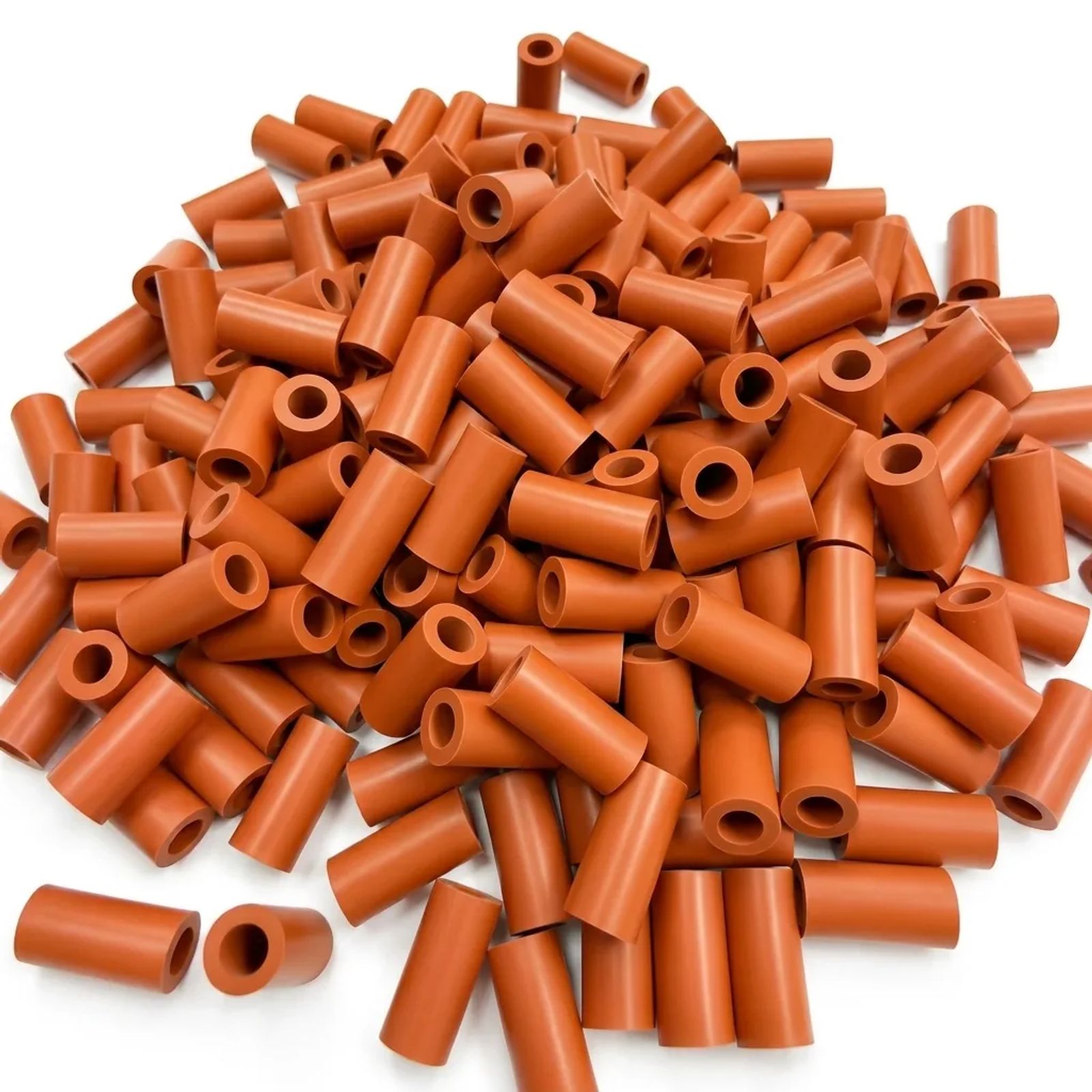
Benefits of fly cutting.
Exceptional Surface Flatness. A rotating single-point cutter sweeps across the workpiece, producing a flat surface with very low roughness. Useful when the part will mate against a sealing face.
Clean Edges. The single-point cut leaves crisp, square edges without the tearing or distortion that flatbed dies can introduce on soft materials.
Tight Thickness Control. Each pass removes a precise depth of material, allowing us to dial in part thickness to tighter tolerances than rotary or steel-rule die cutting.
No Custom Tooling. Fly cutting uses adjustable machine setups instead of part-specific dies, so it's a cost-effective option for prototype and short-run washers.