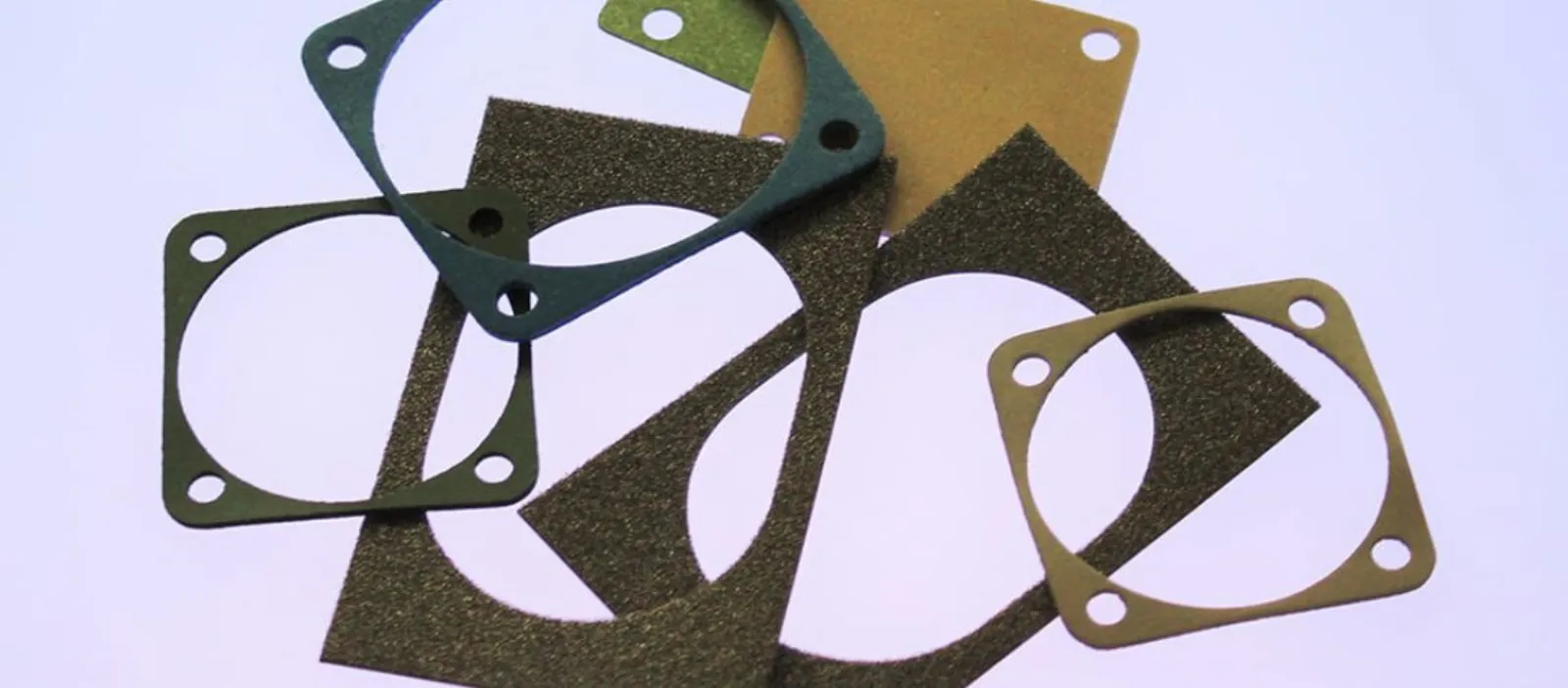
Electronic devices keep getting more sophisticated, and with this sophistication comes the need for enhanced protection. Electromagnetic interference (EMI) is a ubiquitous challenge that can compromise the performance of electronic devices.
EMI shielding gaskets, also known as conductive gaskets, shield our electronics from the electromagnetic forces that could otherwise disrupt their functionality. This article explores the crucial role these gaskets play, how they work, and why they are indispensable in modern electronics.
Understanding EMI
Electromagnetic interference (EMI) refers to the disturbance caused by unwanted electromagnetic signals in the environment. These disturbances can negatively impact the performance of electronic devices, leading to issues such as signal degradation, data corruption, or even complete failure. Sources of EMI are diverse, ranging from radio frequency interference (RFI) to electromagnetic radiation emitted by nearby electronic components.
The Role of EMI Shielding Gaskets
EMI shielding gaskets act as a barrier against these disruptive electromagnetic forces. They are designed to seal the gaps and joints in electronic enclosures, providing a conductive pathway for electromagnetic energy to flow harmlessly away from sensitive components. Essentially, these gaskets create a shield that prevents external interference and ensures the smooth operation of electronic devices.
Material Matters
The effectiveness of EMI shielding gaskets hinges on the materials used in their construction. Typically, conductive materials such as metal-filled elastomers, conductive foams, or conductive fabrics are employed. These materials possess high electrical conductivity, allowing them to divert and absorb electromagnetic energy, thereby shielding the enclosed electronics.
Designing for Precision
Crafting an effective EMI shielding gasket requires precision in design and manufacturing. Engineers consider factors such as the frequency range of the interference, the size and shape of the enclosure, and the specific requirements of the electronic components. The gasket must be precisely engineered to fit seamlessly into the designated spaces, forming a complete and reliable shield.
Installation and Maintenance
The installation of EMI shielding gaskets is a critical step in ensuring their effectiveness. Proper alignment and secure placement are essential to creating a continuous shield around the electronic components. Regular maintenance checks are also recommended to identify any wear or damage to the gaskets and address them promptly. This proactive approach ensures the ongoing protection of sensitive electronics from potential EMI threats.
Applications Across Industries
The applications of EMI shielding gaskets span across various industries, from telecommunications and automotive to aerospace and medical devices. In telecommunications, for example, where signal clarity is paramount, these gaskets play a vital role in maintaining reliable communication. Similarly, in medical devices, the shielding ensures the accuracy and precision of electronic instruments.
As we continue to push the boundaries of technological innovation, the need for robust protection against electromagnetic interference becomes increasingly crucial. With their precision design, conductive materials, and seamless integration into electronic enclosures, EMI shielding gaskets ensure that our devices operate at their best, even amid a sea of electromagnetic signals.
The role of an EMI shielding gasket is not just protective; it is foundational to the reliability and longevity of the electronics around it.
Interested in learning more about Cannon Gasket and what we can do for you? Contact us.