RFI / EMI Shielding Gaskets
When an electronic enclosure must seal mechanically and contain electromagnetic interference, an RFI / EMI shielding gasket does both. Cannon Gasket cuts custom EMI shielding gaskets in a range of conductive elastomers, wire mesh composites, and metal-filled silicone formulations.
- Durometer
- 0.010" to 0.250" thickness
- Highlight
- High electrical conductivity
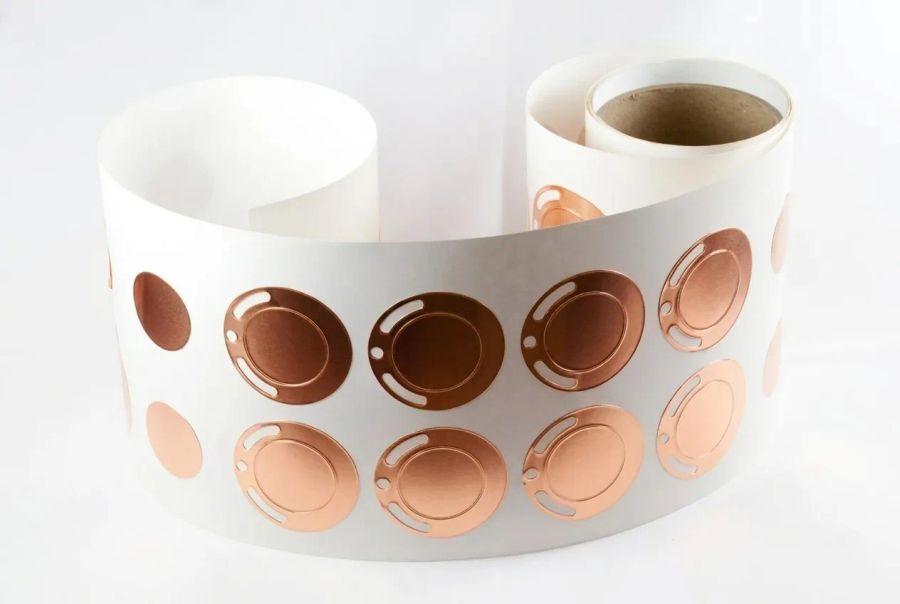
Request a quote for RFI / EMI Shielding gaskets.
Properties of RFI / EMI Shielding gaskets
Cannon Gasket cuts RFI / EMI Shielding gaskets to your drawing in durometer and thickness specifications of 0.010" to 0.250" thickness. Grade-dependent. Most conductive elastomers provide good moisture resistance and moderate chemical resistance alongside their primary shielding function.
RFI / EMI Shielding tolerances and customization
Standard dimensional tolerances on RFI / EMI Shielding gaskets land around ±0.010" to ±0.015" on OD and ID, depending on material durometer and thickness. Tighter tolerances are available on selected grades. Cannon Gasket cuts RFI / EMI Shielding to custom profiles in-house and matches lead times to your production volume. PSA backing, pad printing, custom packaging, and kitting are all on the menu when you need them.
Material Families
- Conductive silicone — silver-, copper-, or nickel-filled silicone for shielding plus environmental sealing. - Conductive fluorosilicone — for fuel and chemical environments combined with EMI shielding. - Wire mesh in elastomer — for mechanical seal plus high-attenuation shielding. - Metal-mesh-only gaskets — for pure shielding without environmental sealing.
How EMI Gaskets Perform
- Shielding effectiveness from 60 dB to 120 dB across MHz to GHz frequencies, material dependent. - Environmental sealing on conductive elastomer grades. - Custom durometers and conductivity levels matched to the chassis. - Class 10,000 clean room production for sensitive electronic and semiconductor work.
Where EMI Shielding Gaskets Are Specified
Server racks and chassis, telecommunications enclosures, defense and aerospace electronics, medical imaging systems, semiconductor process tools, and any electronics enclosure with FCC, CE, or MIL-STD EMC compliance requirements.
Conductive Silicone vs Fluorosilicone
When the enclosure sees fuel, oil, or aggressive chemical exposure alongside the EMI requirement, fluorosilicone is the material. For air and indoor environments, silicone is more economical with equivalent shielding.
Cutting Methods
Flash cutting, compound die cutting, and rotary die cutting. Pad printing for orientation marks and part numbers on assembly-line installation.